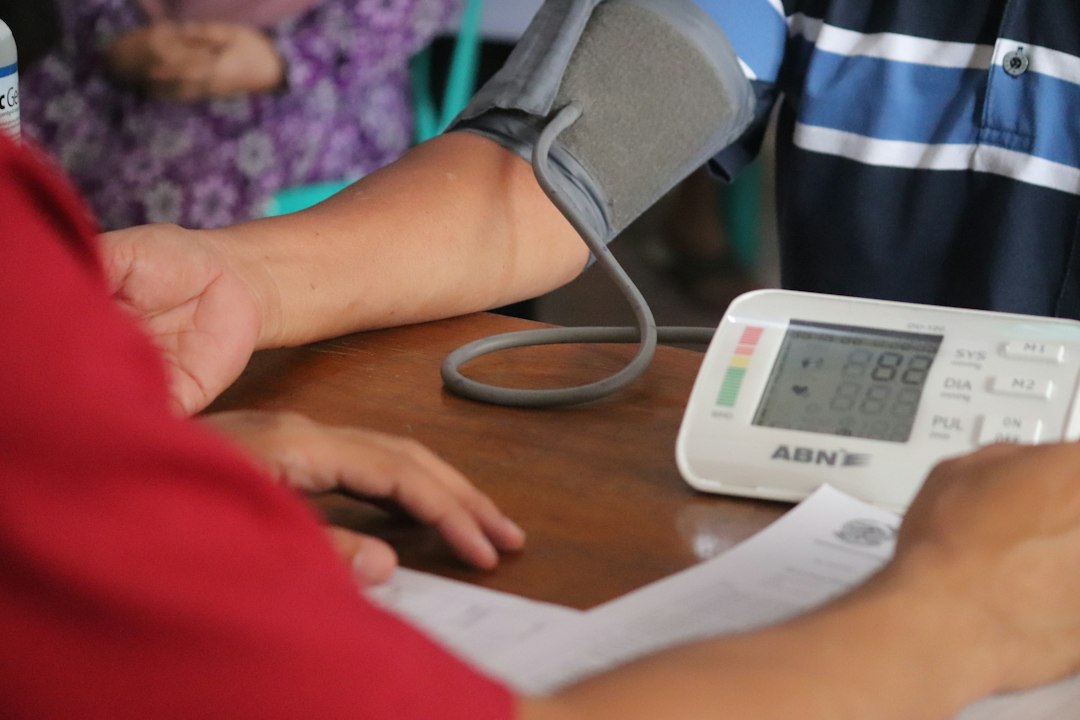
Low blood pressure means the pressure in the arteries is lower than expected, but whether it is a problem depends on symptoms, baseline and cause.
A common reference point for hypotension is below about 90/60 mmHg. Some people feel completely well at those numbers, while others may become dizzy, faint or show signs of poor circulation.
Why can blood pressure run low?
Genetics, fitness, medications and normal individual variation can all produce lower baseline readings without illness.
Common temporary causes
Dehydration, standing suddenly, heat exposure and some medications can lower blood pressure. Illness, blood loss, severe infection and allergic reactions can also reduce pressure.
Symptoms that matter
Dizziness, fainting, confusion, weakness, blurred vision, nausea and cold clammy skin can suggest that low pressure is affecting circulation.
Why a sudden drop matters
A pressure that falls quickly from a person’s usual level can be clinically important even if the final number does not look dramatically low.
How clinicians interpret hypotension
They combine repeated blood pressure readings with heart rate, mental status, skin signs, urine output, breathing and the likely underlying cause.
When should you seek medical help?
Urgent assessment is appropriate when low blood pressure occurs with fainting, chest pain, severe breathlessness, confusion, major bleeding or rapid deterioration.
Low blood pressure is a finding, not a diagnosis
Blood pressure varies naturally between people and across the day. A reading that is low for one person may be normal for another. The most important questions are whether the person has symptoms, whether the pressure has fallen from baseline and what is causing the change.
Low pressure becomes more concerning when it is associated with fainting, confusion, chest pain, severe breathlessness, major bleeding, cold clammy skin or rapid deterioration.
What determines blood pressure?
Blood pressure reflects the interaction between cardiac output and vascular resistance. Cardiac output depends on heart rate and stroke volume; vascular resistance depends on how constricted or dilated blood vessels are. Low pressure can therefore result from low circulating volume, poor pump function, vasodilation, dysrhythmia or medication effects.
Why 90/60 is only a reference point
A blood pressure below about 90/60 mmHg is commonly described as low, but this is not a universal emergency threshold. Some healthy adults live at that level without symptoms. Conversely, a person whose usual pressure is 180 systolic may become symptomatic at 110 if the fall is sudden.
Trend and symptoms are more useful than one cutoff.
Common benign causes
Lower readings can occur with rest, athletic conditioning, pregnancy, dehydration or after standing. Some people have naturally low blood pressure. If there are no concerning symptoms and the pattern is stable, the number may not indicate disease.
Common medical causes
Dehydration, blood loss, infection, allergic reactions, heart problems, endocrine disorders and medication effects can all lower pressure. The same blood-pressure value can therefore represent very different problems.
Orthostatic or postural hypotension
Some people experience a drop in pressure when standing, leading to dizziness, blurred vision or fainting. Dehydration, medication, prolonged bed rest and autonomic disorders can contribute. Standing slowly and hydration may help some people, but recurrent episodes deserve medical review.
If fainting, injury, chest pain or severe symptoms occur, urgent assessment is appropriate.
Medication effects
Blood-pressure medicines, diuretics, some antidepressants, sedatives and other drugs can lower pressure. Never stop prescribed medication abruptly without professional advice. If symptoms began after a medication change, tell the prescribing clinician.
Low blood pressure and shock
Shock means inadequate tissue perfusion, not simply a low number. Blood pressure may remain normal early in shock, and some low readings occur without shock. Mental status, skin signs, pulse quality, breathing and urine output help determine whether circulation is failing.
Measurement errors are common
Incorrect cuff size, arm position, movement, talking and device problems can produce misleading readings. If a result is unexpected, repeat it after a few minutes in a stable position and use appropriate technique.
When symptoms matter more than the number
Fainting, severe dizziness, confusion, weakness, chest pain, breathlessness or signs of poor circulation make low pressure more important. A person who feels well at 88/58 may be lower risk than someone at 105/70 who is collapsing and clammy.
Low blood pressure in older adults
Older adults may be more vulnerable to falls, dehydration and medication effects. A seemingly modest pressure drop can cause dizziness or confusion. Recurrent episodes should be reviewed, especially when new medication or illness is involved.
Low blood pressure in pregnancy
Blood pressure can run lower during parts of pregnancy, but fainting, significant bleeding, severe abdominal pain, severe headache or other concerning symptoms require pregnancy-specific assessment.
Field scenario: dehydration
A person with vomiting has a pressure of 92/60, rapid pulse and dizziness on standing. The history supports volume loss, but the clinician still needs to consider severity, urine output, mental status and alternative causes.
Field scenario: internal bleeding
A patient after trauma has a pressure of 104/68—technically not below 90 systolic—but is pale, tachycardic and confused. Waiting for the pressure to become “officially low” would miss compensated shock.
Common mistakes
- using 90/60 as a universal emergency threshold
- ignoring symptoms and baseline
- trusting one automated reading without repeat measurement
- assuming low pressure always means dehydration
- assuming normal pressure excludes shock
Key points
- Low blood pressure must be interpreted with symptoms and baseline.
- One threshold cannot define severity for everyone.
- Shock can exist before profound hypotension.
- Repeat unexpected readings with proper technique.
- New symptoms or rapid change matter more than a stable lifelong low baseline.
FAQ
Is 90/60 low? It is commonly used as a reference threshold, but symptoms and baseline matter.
Can low blood pressure cause fatigue? It can, especially if circulation is reduced.
Does drinking water help? It may help mild dehydration, but should not delay assessment when serious symptoms are present.
Related ActuMedic guides
What does a low reading actually tell you?
Blood pressure describes the force exerted by circulating blood against artery walls. The upper number, systolic pressure, reflects the pressure during the heart’s contraction; the lower number, diastolic pressure, reflects pressure between beats. Many patient resources describe a reading below 90/60 mmHg as low blood pressure, or hypotension. That is a useful description, not a universal emergency threshold. A healthy person with a longstanding low baseline and no symptoms may require no intervention, while another person can be seriously ill at a pressure above that conventional cut-off if their usual pressure is much higher or other signs suggest impaired perfusion.
Ask three questions before interpreting a number: is the measurement credible, is the pressure different from the person’s baseline, and are there symptoms or signs that suggest organs are not receiving adequate blood flow? Light-headedness, fainting, new confusion, weakness and blurred vision may accompany low blood pressure. Severe chest pain, marked breathlessness, collapse, stroke-like symptoms, major bleeding or rapidly worsening illness warrant emergency evaluation regardless of the precise reading. This article explains the reasoning; it cannot identify the cause of an individual’s low pressure.
Blood pressure, blood flow and perfusion are related but different
The circulation depends on the amount of blood the heart pumps and the resistance offered by blood vessels. Pressure can fall when circulating volume decreases, the heart pumps less effectively or blood vessels dilate. These mechanisms can overlap. For example, fever and fluid losses may coexist, while some medications affect both heart rate and vascular tone. The body can compensate for a period through changes in heart rate and vessel constriction. When compensation is insufficient, the brain, kidneys and other organs may not receive the flow they need.
It is important not to equate a blood pressure number with a direct measurement of organ perfusion. Blood pressure is useful, but it does not measure oxygen delivery or microcirculation by itself. A person may appear unwell before a marked fall in pressure is recorded. In prehospital care, the patient’s alertness, skin appearance, breathing, pulse quality, reported symptoms, urine output when relevant and trends in observations add context. No one feature proves or excludes shock. Professionals should apply their own validated assessment and escalation pathways.
Why a reading may be falsely low or otherwise misleading
Blood pressure measurement is a procedure, not simply a button press. An incorrectly sized cuff, poor positioning, movement, talking, arrhythmia or an unsuitable device can affect the result. For a routine home measurement, use a validated upper-arm device with an appropriate cuff, rest quietly, support the back and arm, keep the arm at heart level and avoid talking. Follow the device’s instructions. If the reading is surprising, repeat it under better conditions and record the time and circumstances. When a person is critically unwell, however, obtaining a perfect resting measurement must not delay urgent care.
A cuff that is too large or too small can distort the result. A measurement taken while the arm hangs unsupported may differ from one taken at heart level. Automated devices can be less reliable with marked movement, poor peripheral circulation or some irregular heart rhythms. In EMS settings, an unexpectedly low value should prompt a check of cuff fit, device and patient condition, with a repeat or alternative authorised technique where appropriate. Never discard a worrying reading simply because it is inconvenient, but do not assume that a single device output is infallible.
Common clinical patterns and what they may suggest
Standing up and feeling faint
Postural or orthostatic hypotension refers to a blood pressure fall associated with moving upright. It can cause light-headedness, blurred vision or fainting and may relate to dehydration, medications, autonomic problems or other conditions. Clinicians sometimes compare lying and standing readings using a standardised method; NICE describes a fall of at least 20 mmHg systolic or 10 mmHg diastolic after standing as a finding that should prompt assessment of likely causes. That definition is not a home emergency rule and must not be applied when standing would be unsafe. A person with repeated falls or persistent symptoms should seek clinical review even if a brief measurement appears normal.
Low pressure after fluid loss
Vomiting, diarrhoea, inadequate intake, excessive sweating or bleeding can reduce circulating volume. Ask about the timeline, fluid losses, urine output and associated symptoms. A person may become thirsty or dizzy before pressure falls dramatically. Bleeding may be visible or concealed, and the absence of obvious blood does not rule out a serious problem. Severe weakness, collapse, altered mental status or signs of major blood loss require urgent medical attention. Treatment choices depend on the cause and clinical assessment, not simply on increasing fluid intake.
Illness, infection and allergic reactions
Serious infection can disturb circulation and organ function; anaphylaxis can cause rapid changes in vascular tone and breathing. Both are emergencies when severe signs are present. Watch for the overall combination of illness, rapid deterioration, breathing difficulty, new confusion, concerning skin changes or collapse. Neither a normal temperature nor a single blood pressure reading excludes serious infection. Sudden swelling of the tongue or throat, breathing difficulty or collapse after a possible allergen exposure requires emergency services and the person’s prescribed emergency plan where applicable.
Cardiac and medication-related causes
Some heart rhythm problems, heart attacks and other cardiac conditions can be associated with reduced blood pressure or fainting. Medications including blood pressure treatments, diuretics and certain other drugs can contribute to symptoms, especially after dose changes or during dehydration. Do not stop prescribed medication solely because of an online article. Instead, document the names, doses, recent changes and timing of symptoms for a healthcare professional. Chest pain, severe breathlessness, collapse or a new neurological deficit require urgent assessment rather than a routine medication review.
What changes with age, pregnancy and chronic illness?
Older adults may have altered autonomic responses, multiple medications and increased fall risk. They may report weakness or falls rather than the word “dizziness.” A new low reading after a change in medication, infection or reduced intake can be clinically important. Frailty and baseline cognitive impairment make a careful history from family or caregivers especially useful. A pressure that appears acceptable on paper may still be associated with symptoms in a person whose usual measurements are substantially higher.
Pregnancy changes circulation, and some lower readings can occur as part of normal physiology. Nevertheless, fainting, significant abdominal pain, bleeding, severe breathlessness or other alarming symptoms need prompt medical evaluation. The meaning of a blood pressure reading depends on gestational stage and the clinical situation. Children require age-specific interpretation and correctly sized cuffs; adult thresholds should not be imposed on infants. People with autonomic disorders, dialysis, endocrine conditions or long-term cardiovascular disease may have individual targets set by their clinicians.
Symptoms and trends: what matters during reassessment
A single pressure is a snapshot. Record when symptoms began, whether they occurred while standing or at rest, how long they lasted, what the patient was doing, and what happened before and after the measurement. Compare repeated readings using a consistent method when possible. Look for new confusion, worsening fatigue, changes in skin appearance, persistent tachycardia, shortness of breath, chest discomfort or reduced ability to function. A trend toward deterioration can be more important than a seemingly modest difference between two measurements.
Do not interpret the pulse in isolation. A rapid heart rate can accompany dehydration, anxiety, pain or other conditions, while some medicines or conduction problems may limit a heart-rate response. Similarly, skin colour, capillary refill and temperature have limitations and can be affected by the environment. The aim is to assemble converging evidence and identify change, not to invent a diagnosis from one sign. In an emergency setting, reassessment and escalation should follow the patient’s condition and the responder’s authorised scope.
Three scenarios that illustrate different meanings
Scenario 1: a healthy person with a longstanding low baseline
A physically active adult records 88/56 mmHg on several mornings and reports feeling entirely well. Previous clinical readings have been similar. This pattern may be normal for that individual. It is still worth confirming measurement technique and discussing any concern with a healthcare professional, but the number alone does not establish shock. New symptoms, illness or a major change from the usual reading would alter the assessment. The useful question is not “Is 88 dangerous for everyone?” but “What does this reading mean for this person today?”
Scenario 2: an older adult who becomes dizzy after standing
An older person reports repeated near-falls after getting out of bed. The home monitor shows a lower reading while upright than while seated, but the measurement conditions are inconsistent. This raises the possibility of postural hypotension, without proving it. A clinician can review medications, hydration, falls risk and appropriate lying-to-standing measurements. Because standing may trigger another fall, testing should be supervised when necessary. The handover should include the pattern, timing, injuries and any changes in treatment.
Scenario 3: an unwell person whose pressure is falling
An adult with worsening illness becomes confused and weak. Serial readings show a downward trend, and the person is breathing rapidly. Even if the latest systolic pressure remains above a conventional low-pressure threshold, the combination is concerning. Emergency responders should assess immediate threats, repeat observations when feasible, communicate the trend and seek appropriate clinical support. A receiving team needs the sequence of events, not just the final number. No diagnosis can be made from this short scenario alone.
EMS assessment and handover: practical communication
Start with the primary survey and immediate threats. Confirm the method and conditions of measurement, then report the earliest and latest blood pressure, pulse, mental status, breathing and associated symptoms. Include relevant medication changes, possible fluid loss, bleeding history, recent illness and baseline function. State whether the patient was lying, sitting or standing when readings were obtained, especially if posture appears related to symptoms. If a repeat measurement was impossible or unsafe, explain why rather than presenting the first value as definitive.
For example: “Adult with dizziness after standing, two near-falls today, usual pressure reportedly around 130 systolic, initial seated pressure 104/66, now symptomatic on movement; no witnessed loss of consciousness; medication list pending.” This is a useful report because it identifies the symptom, change and uncertainty without assuming a cause. Escalation, investigations, fluid therapy, medication administration and destination decisions are governed by local protocols and professional scope in each EMS system.
When to seek help and what not to do
Seek urgent medical care for persistent or recurrent fainting, unexplained symptomatic low readings, or a substantial new change from baseline. Call local emergency services for collapse, severe chest pain, serious breathing difficulty, new stroke-like symptoms, major bleeding, profound confusion or rapid deterioration. If someone feels faint, stopping activity and sitting or lying safely may reduce fall risk while help is arranged. Do not drive while faint or severely dizzy. Do not try to treat possible shock at home by taking large quantities of salt, fluid or medication without clinical advice.
People with recurring symptoms should discuss measurement technique, medication review and appropriate investigations with a clinician. Treatment depends on the cause. Some individuals need no treatment; others require management of fluid loss, medication effects, heart disease or another underlying problem. Online thresholds cannot replace a clinical evaluation.
Frequently asked questions about hypotension
Is 90/60 always dangerous?
No. It is a commonly used descriptive threshold, not a universal emergency cut-off. Symptoms, baseline, measurement quality and overall condition determine the significance.
Can blood pressure be too low even if the top number is above 90?
Yes. A substantial fall from usual pressure, especially with concerning symptoms or deterioration, may be clinically important. A healthcare professional should interpret it in context.
Can dehydration cause low blood pressure?
It can contribute, but low pressure has many possible causes. Serious symptoms should not be attributed to dehydration without appropriate assessment.
Should I stop my blood pressure medication if I feel dizzy?
Do not make medication changes based only on this article. Seek timely advice from the prescribing clinician; emergency symptoms require emergency care.
Does a normal blood pressure reading rule out shock?
No. Compensation and measurement limitations mean that serious illness can exist before a dramatic drop is recorded. Clinical assessment and trends matter.
Key takeaway: Interpret low blood pressure as a finding within a clinical story. Verify technique, consider baseline, identify symptoms and reassess trends. Explore Health Questions, Fainting red flags, Sepsis warning signs, Types of shock and ABCDE assessment.
Evidence and further reading: NHS inform: Low blood pressure; American Heart Association: Home monitoring; NICE: Blood pressure measurement and postural hypotension. National guidance and scope of practice may differ.
Sources
General health information only. Measurements should be interpreted alongside symptoms, baseline health and professional assessment.