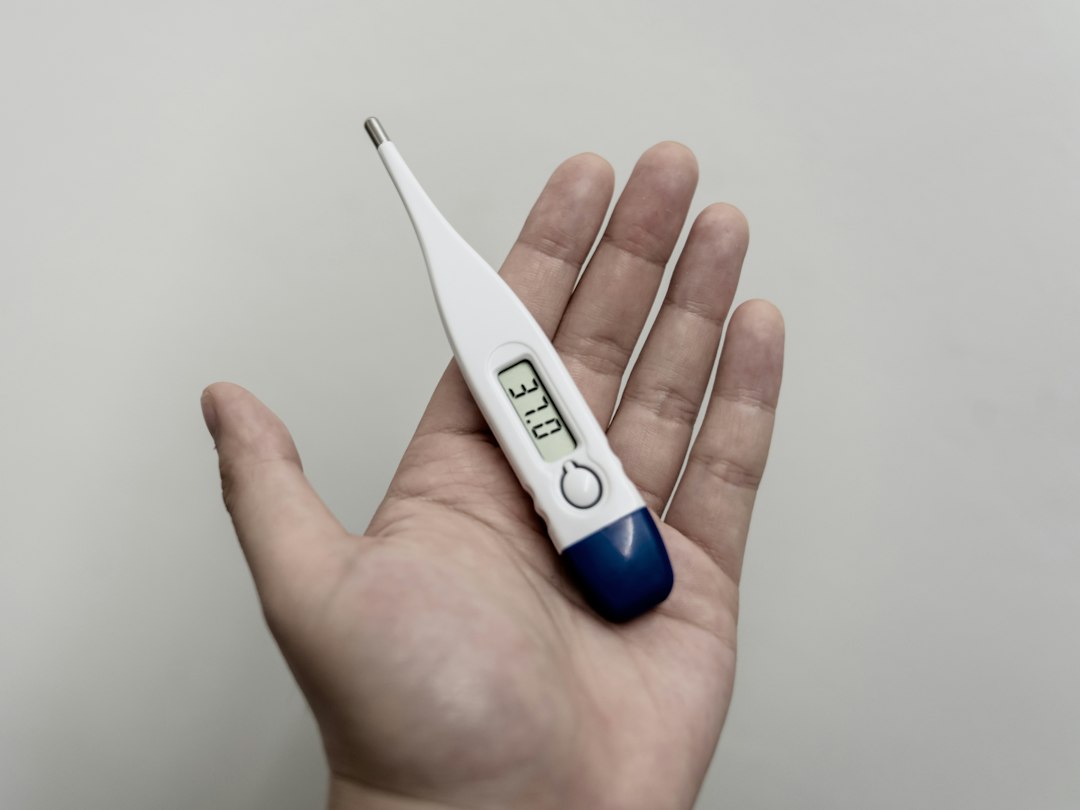
When Is a Fever Too High? Adult Temperature and Warning Signs
In adults, around 38°C / 100.4°F or higher is commonly considered a fever, but there is no single temperature at which every fever becomes an emergency.
Severity depends on the cause, the person’s health and associated symptoms. A moderate fever with confusion and breathing difficulty can be more urgent than a higher temperature in someone otherwise stable.
What temperature counts as fever?
A temperature of 38°C / 100.4°F or above is a common adult threshold, but measurement method can affect the reading.
When does fever become more concerning?
Confusion, stiff neck, seizure, severe shortness of breath, dehydration, persistent vomiting, non-blanching rash or rapid deterioration are important red flags.
Can serious infection occur without high fever?
Yes. Older adults and immunocompromised people may have only a mild temperature rise or even a low temperature during serious infection.
How long is too long?
Persistent or recurrent fever deserves medical review, especially when unexplained or accompanied by worsening symptoms.
What should you monitor at home?
Hydration, mental status, breathing, urine output and symptom progression often matter more than repeatedly checking temperature alone.
When should you seek medical help?
Seek urgent help for fever with altered consciousness, severe breathing difficulty, seizure, severe neck stiffness, signs of shock or rapidly worsening illness.
Why fever severity cannot be judged by temperature alone
Temperature is only one part of the assessment. A fever is a physiological response that can accompany infection, inflammation, medication reactions and other conditions. The clinical importance depends on the person, the cause, associated symptoms and the direction of change.
A person with a temperature of 38.3°C / 100.9°F who is confused, breathless and poorly perfused may be more concerning than someone with 39.5°C / 103.1°F who is alert, drinking and otherwise stable. This is why symptom context matters more than one number.
How body temperature is regulated
The hypothalamus helps regulate the body’s temperature set point. During many infections, inflammatory mediators can raise that set point, producing chills as the body attempts to reach a higher temperature. Once the set point falls, sweating may occur as heat is lost.
This process is different from hyperthermia, where body temperature rises because heat production or environmental exposure overwhelms heat loss. Heat stroke is a medical emergency and should not be treated as an ordinary fever.
Measurement method changes the reading
Oral, tympanic, temporal, axillary and rectal measurements do not always produce identical values. Technique, recent drinks, earwax, sweating and device quality can affect results. If a reading seems inconsistent with how the person looks, repeat it with appropriate technique.
Do not become falsely reassured by a single normal reading in someone who appears seriously unwell.
When high fever deserves more attention
Very high temperature, persistent fever, worsening symptoms or fever in a high-risk person should prompt medical review. Severe headache, neck stiffness, confusion, seizure, breathing difficulty, chest pain, dehydration, persistent vomiting, a non-blanching rash or signs of shock are reasons to seek urgent help.
Exact thresholds vary by age and medical context. The safest approach is to interpret the temperature alongside symptoms and baseline health.
Older adults and immunocompromised people
Older adults may have serious infection without a dramatic fever. Immunocompromised people may also show only a mild rise, normal temperature or occasionally low temperature. New confusion, weakness, reduced intake or rapid deterioration can be more important than the thermometer.
People receiving chemotherapy, immune-suppressing medication or treatment for serious chronic disease may have specific instructions about fever. Follow those instructions promptly.
Fever and dehydration
Fever increases fluid loss through sweating and faster breathing. Poor intake, vomiting or diarrhea can add to dehydration. Warning signs include dizziness, very dry mouth, reduced urine, marked weakness and inability to keep fluids down.
Hydration may help mild illness, but severe symptoms or rapid deterioration need professional assessment rather than home management alone.
Fever and breathing symptoms
Fever with cough or breathlessness can occur in respiratory infections, but severity is determined by more than temperature. Increasing respiratory rate, difficulty speaking, blue or gray color, chest pain or falling oxygen saturation are more urgent warning signs.
Fever and neurological symptoms
Confusion, seizure, severe headache, new weakness or neck stiffness changes the risk picture substantially. These symptoms require urgent assessment because serious neurological or systemic illness can present with fever.
Fever after travel or unusual exposure
Recent international travel, insect or tick exposure, animal contact, new medication or occupational exposure may change the differential diagnosis. Tell healthcare professionals about these details rather than focusing only on the temperature value.
Medication and fever
Common fever-reducing medicines can lower temperature and improve comfort, but they do not identify or treat the underlying cause. Avoid exceeding labeled doses and consider interactions, allergies, kidney or liver disease and pregnancy.
Do not use improvement after medication as proof that the illness is minor. Serious infection can temporarily feel better after fever reduction.
How long is “too long”?
Duration matters, but there is no universal number of hours or days that applies to everyone. Persistent, recurrent or unexplained fever deserves medical review, particularly when associated with weight loss, night sweats, worsening pain or reduced function.
Field scenario: moderate fever, severe illness
An older adult has a temperature of 38.1°C, respiratory rate 30, new confusion and poor urine output. The temperature itself is not extreme, but the associated physiological changes are concerning and warrant urgent assessment.
Field scenario: high fever but stable adult
A healthy adult has a temperature of 39.4°C with flu-like symptoms but is alert, drinking, breathing comfortably and urinating normally. The high number deserves monitoring and medical advice if symptoms persist or worsen, but the immediate risk picture is different from the previous scenario.
Common mistakes
- treating one temperature threshold as a universal emergency rule
- assuming normal temperature rules out serious infection
- ignoring mental status, breathing and hydration
- using response to fever medicine as proof the illness is benign
- forgetting special risks in older or immunocompromised people
Key points
- Temperature is one part of the clinical picture.
- Serious infection can occur without very high fever.
- Measurement method and technique affect the number.
- Older and immunocompromised people can present atypically.
- Associated symptoms and trend determine urgency.
FAQ
Is 40°C / 104°F always an emergency? It is a high fever and deserves prompt assessment, especially with concerning symptoms.
Can fever be caused by something other than infection? Yes, including inflammatory conditions and medication reactions.
Should I alternate fever medicines automatically? Medication decisions depend on the individual and local advice; avoid exceeding recommended doses.
Related ActuMedic guides
Beyond the thermometer: a structured way to judge fever
The practical question is not simply whether a temperature is high, but whether the person is becoming more unwell. Fever is one observation within a changing clinical picture. Ask when the illness began, whether the patient can drink and keep fluids down, whether their breathing and thinking are normal for them, and whether symptoms are improving or worsening. A reading that seems modest can accompany serious disease, while a high reading can occur in an alert adult who remains hydrated. This distinction is especially important when a person has recently taken a fever-reducing medicine or when the thermometer is unreliable.
When seeking advice, describe the full pattern: measured temperature and method, duration, major symptoms, medical conditions, medication, exposure history and changes in behaviour or function. Do not delay emergency help to complete a temperature diary when the person has severe breathing difficulty, altered consciousness, collapse, a seizure or rapid deterioration. In those circumstances the urgent symptoms, rather than a numerical threshold, drive the need for assessment.
Fever, hyperthermia and heat exposure are not the same problem
A fever generally involves a regulated increase in the body’s temperature set point, often during infection or inflammation. Hyperthermia refers to overheating when the body cannot adequately dissipate heat; heat stroke is a medical emergency that can involve high body temperature and central nervous system dysfunction. These mechanisms differ, so the context matters. Someone who becomes confused during exertion or prolonged heat exposure should not be managed as though they merely have a routine viral fever. Contact emergency services and follow local emergency guidance for suspected heat illness.
The distinction also explains why a single temperature number does not identify the underlying process. A person with fever may shiver despite being warm because their temperature set point has risen. A person with heat illness may be unable to cool effectively even though the set point is not elevated. Medication reactions and other uncommon conditions can also cause temperature abnormalities. Readers should avoid trying to diagnose these causes from home measurements alone; exposure history, symptoms and professional assessment determine the next steps.
What the measurement method changes
Oral, ear, forehead, axillary and other thermometer methods do not necessarily produce identical values. Technique, recent eating or drinking, sweat, ambient temperature, earwax, poor sensor placement and device quality can affect a result. Read the device instructions and, when the person is stable, repeat an unexpected measurement using the correct technique. Record how the measurement was obtained rather than converting every reading into a supposedly exact core temperature. A small difference between two devices may reflect method rather than a true clinical change.
A temperature trend is most useful when measurements are made consistently and interpreted with symptoms. If one reading is taken orally and another with a forehead device, an apparent fall may be partly technical. Equally, frequent measurements can distract from important changes in breathing, alertness, fluid intake or urine output. At home, monitoring should support a sensible decision about seeking care, not become a substitute for it. In prehospital care, a clinician should communicate the measurement site and any uncertainty when the result affects interpretation.
Early deterioration can look ordinary
Early illness may cause fatigue, chills, headache, muscle aches, reduced appetite and increased thirst. These symptoms are common and often nonspecific. More concerning developments include new confusion, unusual sleepiness, marked weakness, difficulty breathing, persistent inability to drink, a concerning rash, severe focal pain or signs of poor circulation. The absence of one classic feature does not make an illness safe. A person can deteriorate before their temperature reaches an impressive value, and some serious infections do not produce a high fever at all.
Pay attention to the person’s usual baseline. A normally independent older adult who suddenly cannot walk to the bathroom, a person who is unexpectedly difficult to wake, or someone whose breathing has become visibly laboured deserves more attention than the thermometer alone suggests. Family members and carers may notice subtle but meaningful changes before a numerical vital sign becomes abnormal. Their observations are useful during medical assessment and should be included in a clear handover.
Risk groups require a lower threshold for advice
People receiving chemotherapy or medicines that suppress immunity, transplant recipients, those with certain long-term illnesses, pregnant people and frail older adults may need earlier clinical advice when they develop fever or feel acutely unwell. The specific instructions vary by condition and treatment. Some cancer services, for example, provide individual emergency contact instructions for fever during treatment. Follow those instructions rather than relying on generic internet temperature cut-offs. A recent operation, implanted device, indwelling catheter or known infection also changes the risk context.
Travel and exposure history can be relevant without proving a cause. Mention recent travel, contact with sick people, animal or tick exposure, contaminated water, new medications and occupational hazards when speaking to a clinician. A clinician may need to consider causes that are uncommon in the person’s home country. Conversely, most routine fevers do not require a dramatic list of rare diagnoses. The aim is to give relevant context so that a professional can decide what needs investigation.
Dehydration, circulation and breathing: useful accompanying observations
Fever can increase fluid losses through sweating and faster breathing, while nausea, vomiting or poor appetite may reduce intake. Dry mouth, dizziness, reduced urine output and difficulty maintaining fluids are useful concerns to report, but no single sign establishes the degree of dehydration. People with heart or kidney disease may have specific fluid restrictions; generic advice to drink large amounts is not appropriate for everyone. Seek clinical guidance when hydration is difficult, symptoms are worsening or the person is vulnerable.
Respiratory rate, work of breathing, heart rate, blood pressure, skin appearance and mental status may reveal important changes. A fast pulse can occur with fever, pain, anxiety or dehydration, but may also accompany more serious illness. One normal measurement does not exclude deterioration. Professionals assess trends and the full presentation rather than treating an isolated heart rate or oxygen saturation as a diagnosis. At home, visible breathing difficulty, inability to speak normally or confusion should prompt urgent action regardless of the temperature reading.
Scenario: fever in a person receiving cancer treatment
An adult receiving immune-suppressing cancer therapy reports chills, new weakness and a temperature only slightly above their usual baseline. They have a treatment card explaining when to call their oncology team. The correct response is to follow that personalised emergency pathway promptly, not to wait for the temperature to become very high. The clinical team needs to know the treatment, timing, symptoms and measurements. This example illustrates how the patient’s risk profile can outweigh the apparent modesty of a single number.
Scenario: a hot day and a confused runner
A runner becomes disoriented after strenuous exercise in hot weather. A bystander measures a high temperature and assumes it is an infection. The environmental history and altered mental state instead raise concern for serious heat illness, which needs emergency assessment. While waiting for responders, follow local first-aid guidance and emergency dispatcher instructions. The purpose of this scenario is not to teach a diagnostic shortcut; it is to show why context and dangerous associated symptoms matter more than the label ‘fever’.
Scenario: an older adult with a mild temperature rise
An older adult who usually cooks and walks independently becomes unusually sleepy, eats very little and needs assistance standing. A relative reports a temperature of 37.8°C, below the common adult fever threshold. This does not rule out important illness. The change from baseline, reduced intake and altered function justify timely clinical assessment. During handover, the relative can explain when the changes began, the person’s normal abilities, medication and any recent falls, urinary symptoms, cough or other complaints. A precise timeline is more useful than repeatedly arguing about whether 37.8°C ‘counts’ as fever.
Practical questions about antipyretics
Paracetamol (acetaminophen) and ibuprofen may improve comfort for some adults, but choice and dosing depend on the product label, other medicines, medical conditions and local advice. Taking too much paracetamol can cause serious liver injury; anti-inflammatory medicines may be unsuitable in some situations, including certain kidney, gastrointestinal or pregnancy-related contexts. Do not combine products casually, particularly when cold and flu remedies contain the same active ingredient. A fall in temperature after medication does not prove that a serious illness has resolved.
Antibiotics are not a general treatment for every fever. Many fevers occur with viral infections or noninfectious causes, and unnecessary antibiotics have harms. Whether testing or antimicrobial treatment is indicated is a clinical decision. Avoid borrowing someone else’s prescription or taking leftover antibiotics without professional advice. If a clinician has prescribed a medicine, follow the instructions and seek review for concerning reactions or worsening symptoms.
Questions to ask before deciding what to do next
Is the person alert, breathing comfortably and able to drink?
These observations do not guarantee safety, but they help describe the current situation. Compare them with the person’s usual state and look for change. Someone who becomes confused, cannot remain awake, has severe breathing difficulty or collapses needs urgent help. A person who cannot keep fluids down or has persistent worsening symptoms needs medical advice even without those emergency features.
Has the fever persisted, returned or changed alongside other symptoms?
Duration and recurrence may matter, but there is no single universal number of hours or days that safely separates minor from serious illness. Persistent, recurrent or unexplained fever should be discussed with a clinician, especially in someone with important risk factors. Report the timing and accompanying symptoms instead of interpreting duration in isolation.
Can a normal reading exclude serious infection?
No. Temperature varies over the day and can be altered by medication, measurement method, age and the person’s immune response. Serious infection can occur with a normal or low temperature. Clinical concern should be based on the whole person and their trajectory.
What should an EMS handover contain?
For a patient with suspected infection or temperature disturbance, a concise handover includes baseline health and function, onset and evolution of symptoms, observed vital-sign trends, temperature method, mental status, breathing and circulation findings, medication or immune-suppression history, relevant exposures, care already provided and response to it. Distinguish patient-reported symptoms from observed findings. Assessment and treatment must remain within local EMS scope, protocols and medical direction.
Key takeaway: temperature is context, not a verdict
A common adult fever threshold is useful for description, not for deciding every emergency. A severe symptom, sudden functional change or vulnerable patient can make a lower reading more concerning than a higher one. Seek urgent medical help for severe or rapidly worsening illness and follow local emergency-service advice. For related context, read fever warning signs, sepsis warning signs, normal respiratory rate, child warning signs, and the Health Questions hub.
Evidence and further reading: NHS: High temperature in adults; NHS: Sepsis; CDC: Flu, what to do if you get sick. This article is educational, not a diagnosis or a substitute for individual medical advice.
Sources
General health information only. Measurements should be interpreted alongside symptoms, baseline health and professional assessment.