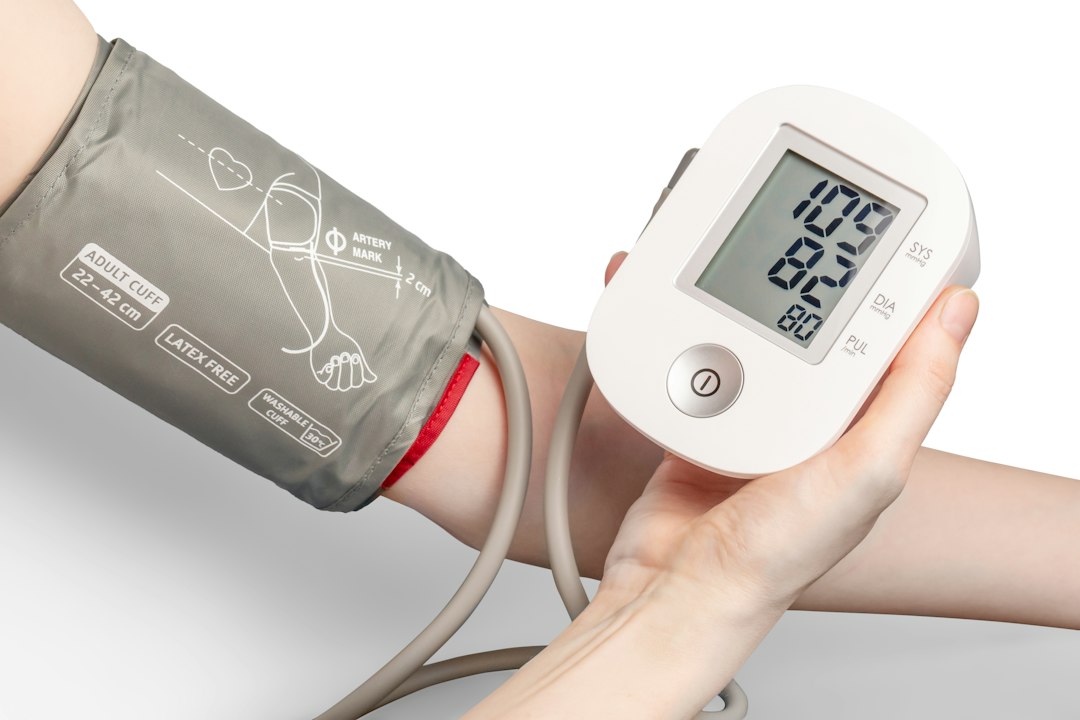
What Is a Normal Blood Pressure? Understanding Adult Readings
For most adults, the American Heart Association classifies blood pressure below 120/80 mmHg as normal, while higher readings are divided into elevated and hypertension categories.
Blood pressure varies through the day and is influenced by activity, stress, pain, caffeine, medications and measurement technique. Diagnosis of hypertension depends on repeated measurements and clinical context rather than one isolated reading.
What do the two numbers mean?
The systolic pressure is the top number and reflects pressure in the arteries when the heart contracts. The diastolic pressure is the bottom number and reflects pressure between beats.
Adult blood pressure categories
The AHA currently classifies normal as below 120/80 mmHg; elevated as systolic 120–129 with diastolic below 80; stage 1 hypertension as systolic 130–139 or diastolic 80–89; and stage 2 as 140 or higher systolic or 90 or higher diastolic.
Why one reading can mislead
Poor cuff size, talking, crossed legs, recent exercise, pain and anxiety can all change a reading. Repeated standardized measurements are more useful than reacting to one number.
What about very high readings?
Readings above 180 systolic and/or 120 diastolic require prompt attention. If they occur with chest pain, shortness of breath, weakness, numbness, vision change or difficulty speaking, this can represent a hypertensive emergency.
What about low readings?
Low blood pressure is often interpreted in relation to symptoms and baseline. A stable person who normally runs low is different from someone with a sudden fall and signs of poor perfusion.
When should you seek medical help?
Seek urgent medical help for very high or very low readings accompanied by chest pain, severe breathlessness, fainting, confusion, neurological deficits or rapid deterioration.
Blood pressure is a range, not a single “perfect” number
Blood pressure changes from minute to minute. Activity, stress, pain, caffeine, medication, sleep and measurement technique all influence the reading. A useful interpretation therefore looks at repeated measurements and overall cardiovascular risk rather than one isolated number.
What systolic and diastolic pressure mean
Systolic pressure is the peak arterial pressure when the heart contracts. Diastolic pressure is the pressure during relaxation between beats. Both provide useful information, and the relationship between them can also matter.
Typical adult readings
Many guidelines describe values below about 120/80 mmHg as within a healthy range for many adults, but thresholds and diagnostic categories vary between organizations and countries. Diagnosis of hypertension generally requires repeated measurements rather than one reading taken during stress or illness.
How to measure blood pressure accurately
Rest quietly, use the correct cuff size, support the arm at heart level and avoid talking during measurement. Caffeine, nicotine and exercise shortly beforehand can raise readings. Home monitors should be validated and used according to instructions.
Why cuff size matters
A cuff that is too small can overestimate pressure; a cuff that is too large may underestimate it. This is a common source of error in both home and clinical settings.
White-coat and masked hypertension
Some people have higher readings in clinical settings because of anxiety. Others have normal clinic readings but higher values at home. Home or ambulatory monitoring can help clarify patterns when recommended by a clinician.
High blood pressure often has no symptoms
Hypertension can be present without headache or other warning signs. This is why routine screening matters. Symptoms should not be used as the only way to decide whether blood pressure is high.
When very high blood pressure is urgent
A very high reading with chest pain, neurological symptoms, severe breathlessness, confusion, visual change or other signs of acute organ dysfunction needs urgent medical assessment. One high number without symptoms should usually be repeated correctly, but persistent severe readings still require professional advice.
Low blood pressure
Lower readings can be normal for some people. Concern increases when low pressure is new or associated with fainting, confusion, severe weakness or poor perfusion. Baseline and trend matter.
Blood pressure and age
Arterial stiffness increases with age, often raising systolic pressure. Treatment targets depend on the individual, comorbidities and guideline context. Population ranges should not replace personalized medical advice.
Blood pressure in pregnancy
Pregnancy changes blood-pressure physiology. High blood pressure with severe headache, visual symptoms, upper abdominal pain or swelling can require urgent obstetric assessment. Low pressure with bleeding or fainting also needs prompt evaluation.
Medication and blood pressure
Many medications affect pressure. Do not adjust prescribed antihypertensive medication based on one home reading without professional advice. Bring a record of repeated readings to appointments when possible.
Why trends matter
Repeated readings over days or weeks are more useful for chronic assessment than a single value. In acute illness, repeated readings over minutes can reveal deterioration or response to treatment.
Field scenario: isolated high reading
A nervous patient records 168/94 immediately after rushing to an appointment. After resting quietly, the reading falls. This does not establish or exclude hypertension; repeated properly measured values are needed.
Field scenario: “normal” reading during deterioration
A patient with usual pressure around 180 systolic is now 112 and feels faint with cool skin. The absolute value may appear normal, but the change from baseline and symptoms are concerning.
Common mistakes
- diagnosing hypertension from one reading
- using the wrong cuff size
- measuring immediately after exercise or caffeine
- ignoring symptoms because the number is “not high enough”
- changing medication without professional advice
Key points
- Blood pressure varies naturally and should be interpreted as a pattern.
- Correct measurement technique is essential.
- Hypertension may have no symptoms.
- Baseline and trend matter in acute illness.
- Pregnancy and medication require additional context.
FAQ
Is 120/80 normal? A systolic value of exactly 120 is categorized as elevated rather than normal under the AHA framework if diastolic remains below 80.
Can anxiety raise blood pressure? Yes, temporarily.
Should I diagnose hypertension from one home reading? No. Repeated readings and professional review are usually needed.
Related ActuMedic guides
Why blood pressure must be interpreted with the whole patient
Blood pressure is a useful vital sign, but it is not a direct measure of tissue perfusion and it does not tell you the diagnosis. A person can have an apparently normal pressure while compensating for blood loss or serious infection, and another person can have a chronically low reading while feeling completely well.
Clinicians therefore combine pressure with heart rate, respiratory rate, mental status, skin findings, urine output when known, symptoms and the direction of change. In acute care, the trend often carries more information than whether a value crosses a single threshold.
Understanding pulse pressure
Pulse pressure is the difference between systolic and diastolic pressure. It changes with stroke volume, vascular tone and arterial stiffness. A narrow or wide pulse pressure can occur in several physiological and pathological states, but it should not be used alone to diagnose a condition.
For prehospital clinicians, pulse pressure may add context when considered with the patient’s overall circulation, but local protocols and broader assessment remain more important than any isolated calculation.
Understanding mean arterial pressure
Mean arterial pressure, or MAP, is an estimate of average arterial pressure over the cardiac cycle. Monitors often calculate it automatically. It can be useful in critical care and trending, but a target value should not be treated as universal across all patients and conditions.
Age, chronic hypertension, pregnancy, neurological emergencies and other clinical contexts can affect what is considered adequate. Follow local guidance rather than using a single MAP threshold as a stand-alone rule.
Manual versus automated blood pressure
Automated cuffs are convenient and allow repeated measurements, but movement, tremor, arrhythmia, poor perfusion and cuff problems can reduce accuracy. If an automated value is unexpected or inconsistent with the patient’s appearance, repeat it and consider manual measurement when appropriate and within practice.
Manual technique also has limitations, including environmental noise and observer error. The goal is not to assume one method is always superior but to recognize when a reading needs confirmation.
Why arm position changes the reading
The arm should generally be supported around heart level for standardized measurement. An unsupported or incorrectly positioned arm can distort the result. The patient should be as still as practical, and repeated readings should use a consistent technique when trend is important.
Blood pressure during pain and anxiety
Pain, anxiety and sympathetic activation can temporarily raise blood pressure. That does not mean a high reading should automatically be dismissed as stress. Repeating the measurement after rest or appropriate care can help show whether it remains elevated.
Likewise, absence of symptoms does not exclude chronic hypertension, which is often asymptomatic.
Blood pressure in suspected stroke
Blood pressure is often elevated during acute stroke. Prehospital clinicians should avoid making independent treatment decisions based solely on the number and should follow local stroke protocols and medical direction. The priority is recognition of neurological deficits, time last known well, glucose assessment where appropriate, rapid transport and communication with the receiving system.
Blood pressure in chest pain
In chest pain, both very high and falling blood pressure can add important context. The reading should be interpreted with symptoms, ECG findings where available, skin signs, pulse, breathing and response to authorized treatment. A normal pressure does not rule out acute coronary syndrome or other serious causes.
Blood pressure in trauma and bleeding
Hypotension can be a late finding in compensated hemorrhage. A patient may initially maintain systolic pressure through vasoconstriction and increased heart rate. Worsening tachycardia, altered mental status, cool skin, weak pulses and a downward pressure trend can indicate deterioration before profound hypotension develops.
Do not wait for an arbitrary systolic threshold when the rest of the assessment suggests significant blood loss.
Blood pressure in sepsis
Serious infection can affect vascular tone and circulation. A falling pressure accompanied by tachypnea, confusion or other signs of systemic illness is concerning. Early sepsis can still occur with a normal or elevated blood pressure, so pressure should never be used as the sole screening tool.
Blood pressure after standing
Orthostatic symptoms such as dizziness or near-syncope may occur when blood pressure falls after standing. Dehydration, medications, autonomic dysfunction and prolonged bed rest are among possible contributors. Formal orthostatic testing should follow local clinical practice and may be inappropriate in an unstable or fall-risk patient.
Blood pressure and medications
Antihypertensives, diuretics and many other medicines can affect pressure. Medication timing, recent dose changes and adherence may be relevant history. Patients should not stop prescribed medication abruptly because of one abnormal home reading unless instructed by an appropriate clinician.
Reassessment during transport
In EMS care, blood pressure should be repeated according to patient acuity and local protocol. Reassessment is especially important after a clinical change or intervention. Documenting the sequence can reveal a trend that is not obvious from the final set of observations.
For example, systolic pressure falling from 148 to 124 to 102 while pulse and respiratory rate rise is more informative than reporting only “BP 102 systolic.”
What to communicate in a handover
When blood pressure is clinically relevant, communicate the initial reading, lowest or highest significant reading, trend, measurement concerns and response to treatment. Mention the patient’s baseline if reliably known. Avoid presenting an unverified automated outlier as fact without context.
A practical blood-pressure quality checklist
- Use an appropriate cuff size.
- Position and support the arm consistently when possible.
- Reduce movement and talking during measurement.
- Repeat unexpected values.
- Compare the reading with symptoms and other vital signs.
- Look for trend rather than reacting to one isolated number.
- Escalate when severe abnormalities accompany concerning symptoms.
More questions about adult blood pressure
Can blood pressure be normal during a heart attack? Yes. Blood pressure alone cannot rule in or rule out acute coronary syndrome.
Can dehydration lower blood pressure? Yes, particularly when fluid loss is significant, but low pressure has many possible causes.
Why do my home and clinic readings differ? Technique, stress, time of day and true white-coat or masked hypertension can contribute. A clinician may recommend structured home or ambulatory monitoring.
Is the lower number less important? No. Both systolic and diastolic pressure contribute to cardiovascular assessment, although their significance varies with age and clinical context.
Documentation: preserve the blood-pressure trajectory
When blood pressure matters clinically, record enough context for the next clinician to understand the trajectory. A sequence of readings, the method used, patient position when relevant and the response to treatment can be more useful than one final value. If a result is believed to be erroneous because of movement or cuff fit, repeat it rather than silently discarding the discrepancy.
In handover, highlight meaningful change: “systolic pressure has fallen 35 mmHg since first contact while heart rate and respiratory rate have risen” communicates risk more clearly than reciting a list of numbers without interpretation.
Avoid anchoring on hypertension or hypotension
An abnormal pressure can draw attention away from the reason it is abnormal. Very high pressure may accompany pain, neurological emergencies, medication problems or chronic hypertension. Low pressure may reflect dehydration, bleeding, vasodilation, cardiac dysfunction or medication effects. The number is a clue, not the endpoint of assessment.
Use history, examination, repeated vital signs and local clinical pathways to decide what the finding means. When the presentation is outside routine expectations, seek appropriate medical support rather than forcing the patient into a single numerical category.
Bottom line for EMS learners
Blood pressure is best understood as a moving part of the circulation assessment. Learn correct measurement technique first, then learn to interpret the result with baseline, symptoms and trend. A textbook range is useful for orientation, but it should never override obvious deterioration.
In prehospital care, establish an early baseline, repeat measurements at intervals appropriate to acuity, verify unexpected values and communicate the direction of change. These habits make blood pressure far more clinically useful than memorizing isolated thresholds.
Blood pressure: a final practical example
Consider two patients with the same reading of 108/68 mmHg. The first is a healthy adult whose usual pressure is around 105/65, who feels well and has normal breathing, pulse and mental status. The second normally has systolic readings around 170 and now has abdominal pain, pallor, a rising pulse and new dizziness. The number is identical, but the clinical meaning is not. Baseline and trajectory change the interpretation.
This illustrates why prehospital assessment should avoid binary labels such as “normal” and “abnormal” without context. A useful blood-pressure assessment answers four questions: was the measurement technically credible, how does it compare with baseline, what other physiological signs are present, and what direction is the patient moving in?
For learners, practice describing blood pressure in complete sentences rather than as an isolated figure. This improves clinical reasoning and handover: “Pressure has fallen progressively over 20 minutes and the patient is becoming tachycardic and clammy” is actionable information. Always work within local protocols and seek medical direction when the patient’s condition or trend is concerning.
Sources
- American Heart Association — Understanding Blood Pressure Readings
- AHA/ACC — 2025 High Blood Pressure Guideline
General health information only. Measurements should be interpreted alongside symptoms, baseline health and professional assessment.