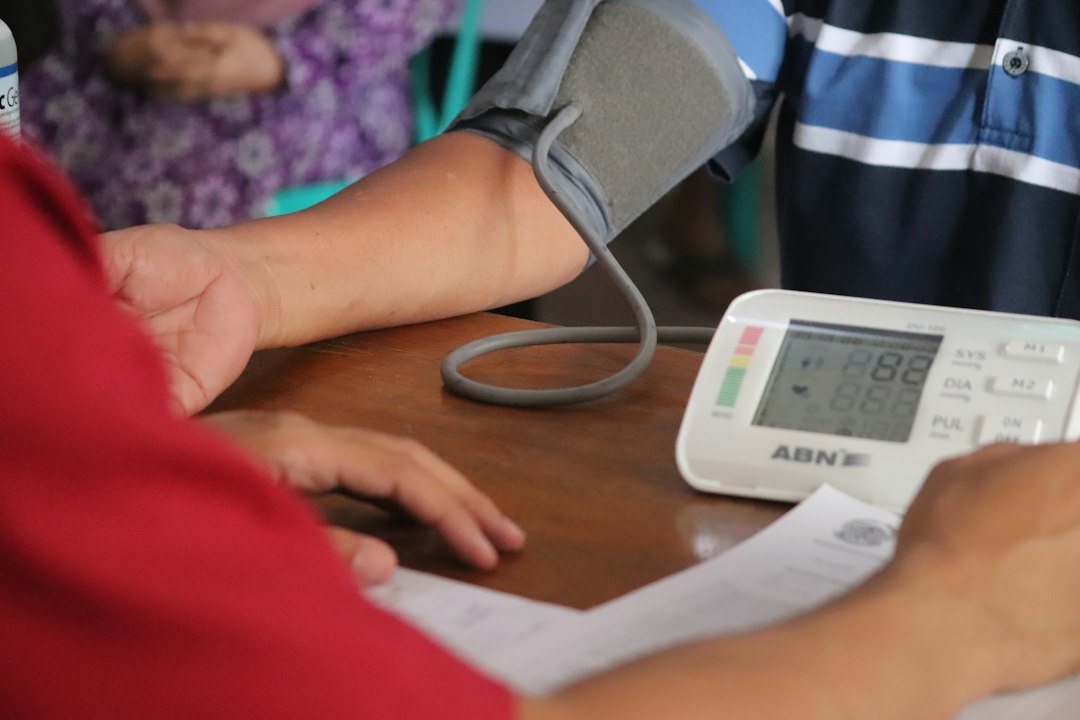
What Does Low Blood Pressure Mean? Hypotension Explained
Low blood pressure means the pressure in the arteries is lower than expected, but whether it is a problem depends on symptoms, baseline and cause.
A common reference point for hypotension is below about 90/60 mmHg. Some people feel completely well at those numbers, while others may become dizzy, faint or show signs of poor circulation.
Why can blood pressure run low?
Genetics, fitness, medications and normal individual variation can all produce lower baseline readings without illness.
Common temporary causes
Dehydration, standing suddenly, heat exposure and some medications can lower blood pressure. Illness, blood loss, severe infection and allergic reactions can also reduce pressure.
Symptoms that matter
Dizziness, fainting, confusion, weakness, blurred vision, nausea and cold clammy skin can suggest that low pressure is affecting circulation.
Why a sudden drop matters
A pressure that falls quickly from a person’s usual level can be clinically important even if the final number does not look dramatically low.
How clinicians interpret hypotension
They combine repeated blood pressure readings with heart rate, mental status, skin signs, urine output, breathing and the likely underlying cause.
When should you seek medical help?
Urgent assessment is appropriate when low blood pressure occurs with fainting, chest pain, severe breathlessness, confusion, major bleeding or rapid deterioration.
Low blood pressure is a finding, not a diagnosis
Blood pressure varies naturally between people and across the day. A reading that is low for one person may be normal for another. The most important questions are whether the person has symptoms, whether the pressure has fallen from baseline and what is causing the change.
Low pressure becomes more concerning when it is associated with fainting, confusion, chest pain, severe breathlessness, major bleeding, cold clammy skin or rapid deterioration.
What determines blood pressure?
Blood pressure reflects the interaction between cardiac output and vascular resistance. Cardiac output depends on heart rate and stroke volume; vascular resistance depends on how constricted or dilated blood vessels are. Low pressure can therefore result from low circulating volume, poor pump function, vasodilation, dysrhythmia or medication effects.
Why 90/60 is only a reference point
A blood pressure below about 90/60 mmHg is commonly described as low, but this is not a universal emergency threshold. Some healthy adults live at that level without symptoms. Conversely, a person whose usual pressure is 180 systolic may become symptomatic at 110 if the fall is sudden.
Trend and symptoms are more useful than one cutoff.
Common benign causes
Lower readings can occur with rest, athletic conditioning, pregnancy, dehydration or after standing. Some people have naturally low blood pressure. If there are no concerning symptoms and the pattern is stable, the number may not indicate disease.
Common medical causes
Dehydration, blood loss, infection, allergic reactions, heart problems, endocrine disorders and medication effects can all lower pressure. The same blood-pressure value can therefore represent very different problems.
Orthostatic or postural hypotension
Some people experience a drop in pressure when standing, leading to dizziness, blurred vision or fainting. Dehydration, medication, prolonged bed rest and autonomic disorders can contribute. Standing slowly and hydration may help some people, but recurrent episodes deserve medical review.
If fainting, injury, chest pain or severe symptoms occur, urgent assessment is appropriate.
Medication effects
Blood-pressure medicines, diuretics, some antidepressants, sedatives and other drugs can lower pressure. Never stop prescribed medication abruptly without professional advice. If symptoms began after a medication change, tell the prescribing clinician.
Low blood pressure and shock
Shock means inadequate tissue perfusion, not simply a low number. Blood pressure may remain normal early in shock, and some low readings occur without shock. Mental status, skin signs, pulse quality, breathing and urine output help determine whether circulation is failing.
Measurement errors are common
Incorrect cuff size, arm position, movement, talking and device problems can produce misleading readings. If a result is unexpected, repeat it after a few minutes in a stable position and use appropriate technique.
When symptoms matter more than the number
Fainting, severe dizziness, confusion, weakness, chest pain, breathlessness or signs of poor circulation make low pressure more important. A person who feels well at 88/58 may be lower risk than someone at 105/70 who is collapsing and clammy.
Low blood pressure in older adults
Older adults may be more vulnerable to falls, dehydration and medication effects. A seemingly modest pressure drop can cause dizziness or confusion. Recurrent episodes should be reviewed, especially when new medication or illness is involved.
Low blood pressure in pregnancy
Blood pressure can run lower during parts of pregnancy, but fainting, significant bleeding, severe abdominal pain, severe headache or other concerning symptoms require pregnancy-specific assessment.
Field scenario: dehydration
A person with vomiting has a pressure of 92/60, rapid pulse and dizziness on standing. The history supports volume loss, but the clinician still needs to consider severity, urine output, mental status and alternative causes.
Field scenario: internal bleeding
A patient after trauma has a pressure of 104/68—technically not below 90 systolic—but is pale, tachycardic and confused. Waiting for the pressure to become “officially low” would miss compensated shock.
Common mistakes
- using 90/60 as a universal emergency threshold
- ignoring symptoms and baseline
- trusting one automated reading without repeat measurement
- assuming low pressure always means dehydration
- assuming normal pressure excludes shock
Key points
- Low blood pressure must be interpreted with symptoms and baseline.
- One threshold cannot define severity for everyone.
- Shock can exist before profound hypotension.
- Repeat unexpected readings with proper technique.
- New symptoms or rapid change matter more than a stable lifelong low baseline.
FAQ
Is 90/60 low? It is commonly used as a reference threshold, but symptoms and baseline matter.
Can low blood pressure cause fatigue? It can, especially if circulation is reduced.
Does drinking water help? It may help mild dehydration, but should not delay assessment when serious symptoms are present.
Related ActuMedic guides
Sources
General health information only. Measurements should be interpreted alongside symptoms, baseline health and professional assessment.