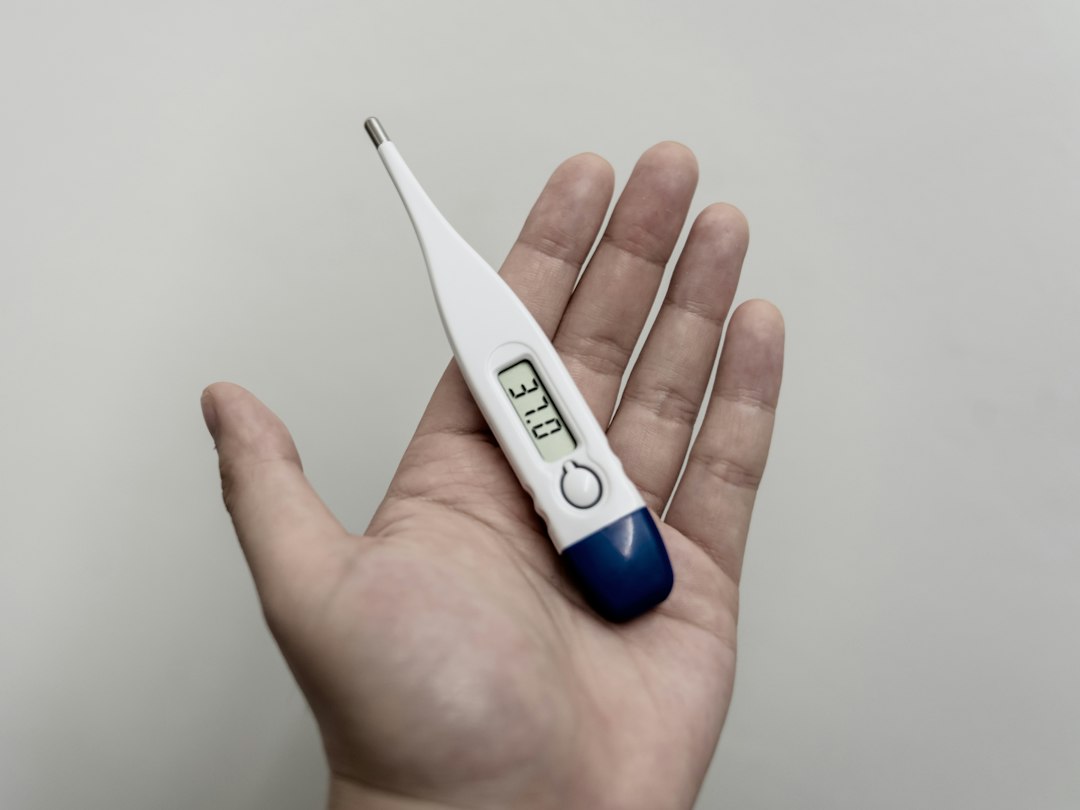
When Is a Fever Too High? Adult Temperature and Warning Signs
In adults, around 38°C / 100.4°F or higher is commonly considered a fever, but there is no single temperature at which every fever becomes an emergency.
Severity depends on the cause, the person’s health and associated symptoms. A moderate fever with confusion and breathing difficulty can be more urgent than a higher temperature in someone otherwise stable.
What temperature counts as fever?
A temperature of 38°C / 100.4°F or above is a common adult threshold, but measurement method can affect the reading.
When does fever become more concerning?
Confusion, stiff neck, seizure, severe shortness of breath, dehydration, persistent vomiting, non-blanching rash or rapid deterioration are important red flags.
Can serious infection occur without high fever?
Yes. Older adults and immunocompromised people may have only a mild temperature rise or even a low temperature during serious infection.
How long is too long?
Persistent or recurrent fever deserves medical review, especially when unexplained or accompanied by worsening symptoms.
What should you monitor at home?
Hydration, mental status, breathing, urine output and symptom progression often matter more than repeatedly checking temperature alone.
When should you seek medical help?
Seek urgent help for fever with altered consciousness, severe breathing difficulty, seizure, severe neck stiffness, signs of shock or rapidly worsening illness.
Why fever severity cannot be judged by temperature alone
Temperature is only one part of the assessment. A fever is a physiological response that can accompany infection, inflammation, medication reactions and other conditions. The clinical importance depends on the person, the cause, associated symptoms and the direction of change.
A person with a temperature of 38.3°C / 100.9°F who is confused, breathless and poorly perfused may be more concerning than someone with 39.5°C / 103.1°F who is alert, drinking and otherwise stable. This is why symptom context matters more than one number.
How body temperature is regulated
The hypothalamus helps regulate the body’s temperature set point. During many infections, inflammatory mediators can raise that set point, producing chills as the body attempts to reach a higher temperature. Once the set point falls, sweating may occur as heat is lost.
This process is different from hyperthermia, where body temperature rises because heat production or environmental exposure overwhelms heat loss. Heat stroke is a medical emergency and should not be treated as an ordinary fever.
Measurement method changes the reading
Oral, tympanic, temporal, axillary and rectal measurements do not always produce identical values. Technique, recent drinks, earwax, sweating and device quality can affect results. If a reading seems inconsistent with how the person looks, repeat it with appropriate technique.
Do not become falsely reassured by a single normal reading in someone who appears seriously unwell.
When high fever deserves more attention
Very high temperature, persistent fever, worsening symptoms or fever in a high-risk person should prompt medical review. Severe headache, neck stiffness, confusion, seizure, breathing difficulty, chest pain, dehydration, persistent vomiting, a non-blanching rash or signs of shock are reasons to seek urgent help.
Exact thresholds vary by age and medical context. The safest approach is to interpret the temperature alongside symptoms and baseline health.
Older adults and immunocompromised people
Older adults may have serious infection without a dramatic fever. Immunocompromised people may also show only a mild rise, normal temperature or occasionally low temperature. New confusion, weakness, reduced intake or rapid deterioration can be more important than the thermometer.
People receiving chemotherapy, immune-suppressing medication or treatment for serious chronic disease may have specific instructions about fever. Follow those instructions promptly.
Fever and dehydration
Fever increases fluid loss through sweating and faster breathing. Poor intake, vomiting or diarrhea can add to dehydration. Warning signs include dizziness, very dry mouth, reduced urine, marked weakness and inability to keep fluids down.
Hydration may help mild illness, but severe symptoms or rapid deterioration need professional assessment rather than home management alone.
Fever and breathing symptoms
Fever with cough or breathlessness can occur in respiratory infections, but severity is determined by more than temperature. Increasing respiratory rate, difficulty speaking, blue or gray color, chest pain or falling oxygen saturation are more urgent warning signs.
Fever and neurological symptoms
Confusion, seizure, severe headache, new weakness or neck stiffness changes the risk picture substantially. These symptoms require urgent assessment because serious neurological or systemic illness can present with fever.
Fever after travel or unusual exposure
Recent international travel, insect or tick exposure, animal contact, new medication or occupational exposure may change the differential diagnosis. Tell healthcare professionals about these details rather than focusing only on the temperature value.
Medication and fever
Common fever-reducing medicines can lower temperature and improve comfort, but they do not identify or treat the underlying cause. Avoid exceeding labeled doses and consider interactions, allergies, kidney or liver disease and pregnancy.
Do not use improvement after medication as proof that the illness is minor. Serious infection can temporarily feel better after fever reduction.
How long is “too long”?
Duration matters, but there is no universal number of hours or days that applies to everyone. Persistent, recurrent or unexplained fever deserves medical review, particularly when associated with weight loss, night sweats, worsening pain or reduced function.
Field scenario: moderate fever, severe illness
An older adult has a temperature of 38.1°C, respiratory rate 30, new confusion and poor urine output. The temperature itself is not extreme, but the associated physiological changes are concerning and warrant urgent assessment.
Field scenario: high fever but stable adult
A healthy adult has a temperature of 39.4°C with flu-like symptoms but is alert, drinking, breathing comfortably and urinating normally. The high number deserves monitoring and medical advice if symptoms persist or worsen, but the immediate risk picture is different from the previous scenario.
Common mistakes
- treating one temperature threshold as a universal emergency rule
- assuming normal temperature rules out serious infection
- ignoring mental status, breathing and hydration
- using response to fever medicine as proof the illness is benign
- forgetting special risks in older or immunocompromised people
Key points
- Temperature is one part of the clinical picture.
- Serious infection can occur without very high fever.
- Measurement method and technique affect the number.
- Older and immunocompromised people can present atypically.
- Associated symptoms and trend determine urgency.
FAQ
Is 40°C / 104°F always an emergency? It is a high fever and deserves prompt assessment, especially with concerning symptoms.
Can fever be caused by something other than infection? Yes, including inflammatory conditions and medication reactions.
Should I alternate fever medicines automatically? Medication decisions depend on the individual and local advice; avoid exceeding recommended doses.
Related ActuMedic guides
Sources
General health information only. Measurements should be interpreted alongside symptoms, baseline health and professional assessment.