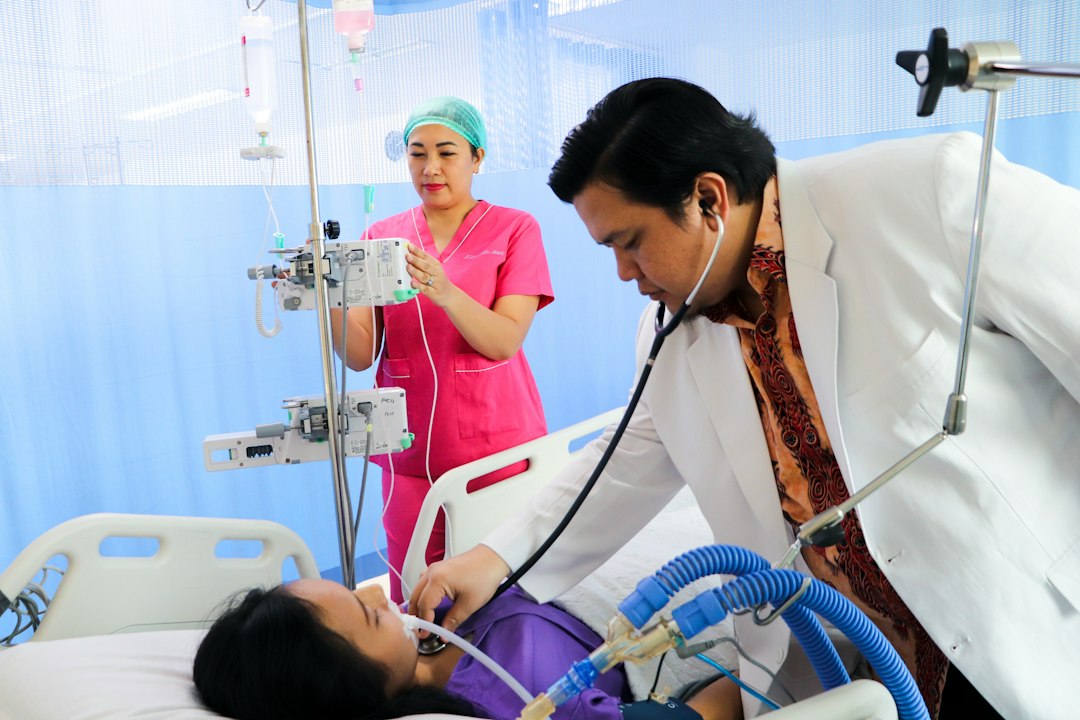
Shortness of Breath Warning Signs: When Is It an Emergency?
Shortness of breath can be caused by many conditions, but severe difficulty breathing, inability to speak normally, chest tightness or heaviness, blue or grey lips or skin, sudden confusion or rapid deterioration can signal a medical emergency. If breathing is severely impaired or symptoms are suddenly worsening, contact your local emergency medical service.
Red flags to take seriously
- gasping or struggling to breathe;
- being unable to speak full sentences because of breathlessness;
- tight or heavy chest discomfort;
- pain spreading to the arm, jaw, back or neck;
- blue, grey or very pale lips or skin;
- sudden confusion or reduced responsiveness;
- rapidly worsening breathing.
Why a “normal” oxygen reading does not rule out trouble
Pulse oximetry is useful, but it is only one part of the assessment. A person can have significant respiratory distress before oxygen saturation falls dramatically. Work of breathing, respiratory rate, mental status and the overall trend matter.
Common causes
Breathlessness can occur with asthma, COPD, pneumonia, heart failure, pulmonary embolism, pneumothorax, severe infection, allergic reactions, anxiety and many other conditions. The symptom alone cannot identify the cause safely.
What information helps clinicians?
- when symptoms began;
- whether onset was sudden or gradual;
- chest pain or tightness;
- wheezing, cough or fever;
- leg swelling or pain;
- known heart or lung disease;
- usual oxygen saturation if known.
What clinicians look for beyond SpO₂
Respiratory rate, work of breathing, posture, speech, mental status, air entry, circulation and the speed of deterioration may all be more important than one pulse-oximeter value. A patient can look seriously unwell before oxygen saturation falls dramatically.
Common serious causes
- asthma or COPD exacerbation;
- pneumonia or severe infection;
- pulmonary edema or heart failure;
- pulmonary embolism;
- pneumothorax;
- anaphylaxis;
- upper-airway obstruction.
What information helps EMS
Time of onset, triggers, prior respiratory disease, inhaler use, chest pain, fever, recent surgery or immobility, allergy exposure and previous similar episodes can all change the assessment.
Why shortness of breath can deteriorate quickly
Breathlessness can result from lung disease, heart problems, infection, pulmonary embolism, anemia, metabolic illness, anxiety and many other causes. Severity depends on the cause and on how hard the body is working to maintain oxygenation and ventilation.
Warning signs in the way someone is breathing
Very fast breathing, inability to speak full sentences, accessory muscle use, retractions, tripod positioning, blue or gray color and visible exhaustion are important warning signs. A person who becomes quieter or less distressed after prolonged effort may be tiring rather than improving.
Normal SpO₂ does not always mean low risk
Oxygen saturation can remain normal while breathing effort is severe or carbon dioxide is rising. Do not let a normal pulse-oximeter number override obvious distress.
Sudden versus gradual onset
Sudden breathlessness can occur with pulmonary embolism, pneumothorax, severe asthma, arrhythmia or allergic reaction. Gradual worsening can occur with pneumonia, heart failure, COPD and many other illnesses.
Chest pain with breathlessness
This combination can indicate heart attack, pulmonary embolism, pneumothorax or other serious conditions. Urgent assessment is appropriate when pain is severe, sudden or accompanied by fainting or instability.
Wheeze
Wheeze can occur with asthma, COPD and anaphylaxis. Severe asthma may produce very little wheeze if airflow becomes extremely poor, so a “quiet chest” in a distressed patient is concerning.
Stridor and upper-airway symptoms
Stridor, hoarse voice, throat swelling or difficulty swallowing can indicate upper-airway obstruction or anaphylaxis and require urgent help.
Breathlessness with leg swelling
Unilateral leg swelling raises concern for venous thromboembolism; swelling in both legs with orthopnea can occur in heart failure. These patterns need medical assessment.
Fever and breathlessness
Pneumonia and other infections can cause worsening respiratory symptoms. High respiratory rate, confusion or rapid deterioration increases concern even if temperature is only mildly elevated.
Anxiety and panic
Anxiety can cause real breathlessness and hyperventilation, but it should not be assumed until red flags and other causes are considered. First episodes, severe symptoms or abnormal vital signs deserve careful assessment.
Children
Children can deteriorate quickly. Retractions, nasal flaring, grunting, poor feeding, lethargy or blue color are important warning signs. Age-specific breathing rates matter.
Field scenario: severe asthma with normal saturation
A patient has SpO₂ 96% but can speak only two or three words at a time and is using accessory muscles. The work of breathing indicates severe distress despite the reassuring saturation.
Common mistakes
- focusing only on SpO₂
- assuming wheeze must be loud in severe asthma
- labeling unexplained breathlessness as anxiety too early
- ignoring sudden onset
- not noticing fatigue and reduced speech
Key points
- Work of breathing is as important as oxygen saturation.
- Sudden onset changes the differential.
- Breathlessness with chest pain, fainting or airway swelling is high risk.
- Normal SpO₂ does not rule out respiratory failure.
FAQ
Can anxiety cause breathlessness? Yes, but anxiety should not be assumed until serious causes have been considered.
Is a normal SpO₂ reassuring? It can be, but it does not rule out significant respiratory distress.